
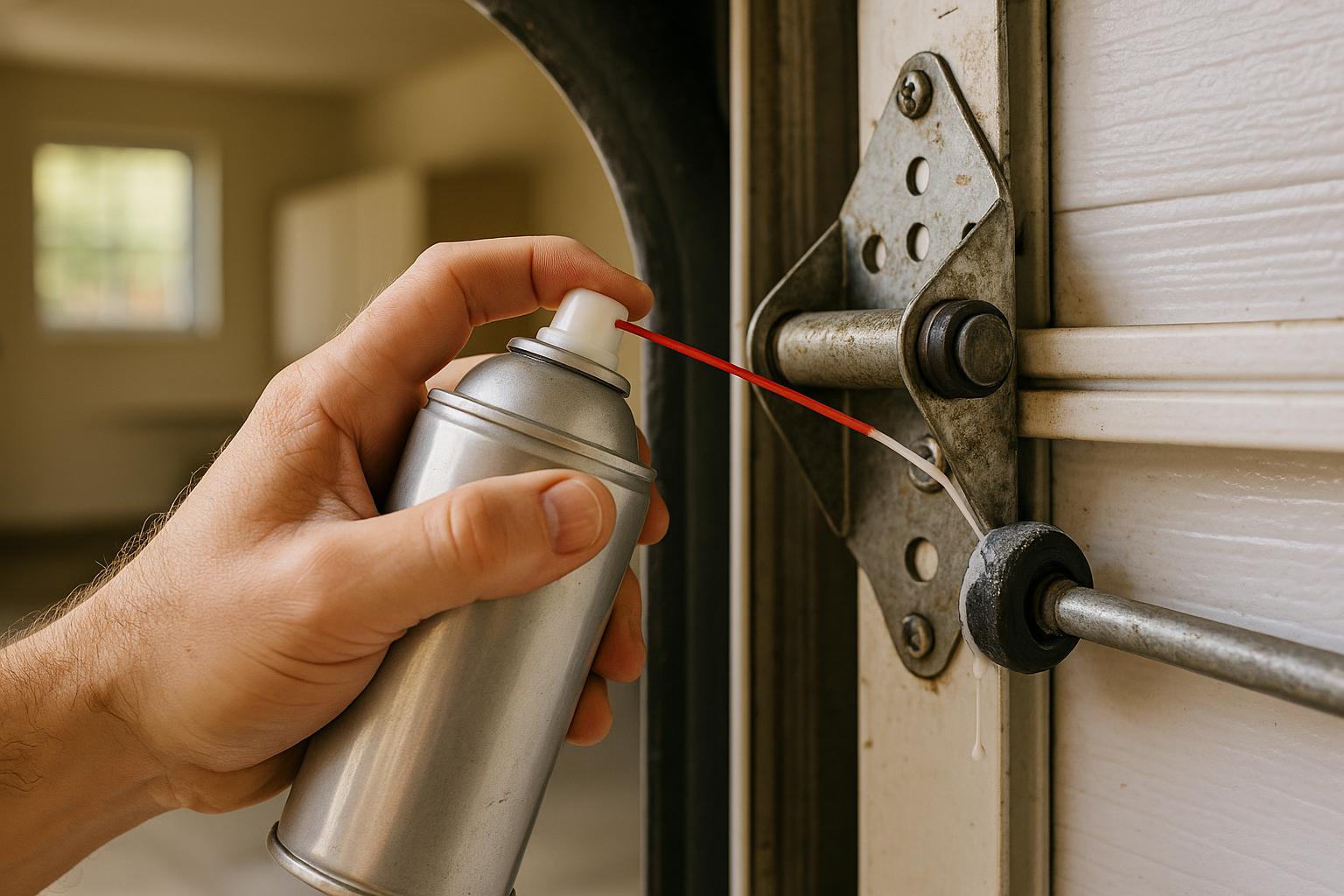
Your Garage Door Needs More Than Just Repairs
Most homeowners in Port Charlotte don't think much about their garage door until something goes wrong — a loud grinding noise, a door that sticks halfway up, or a system that struggles to open on a humid morning. But many of these problems can be prevented with one simple maintenance task: regular lubrication.
Lubricating your garage door is quick, inexpensive, and something you can do yourself. Yet it's one of the most overlooked aspects of home maintenance. If you can't remember the last time you lubricated your garage door's moving parts, this guide will walk you through everything you need to know.
Why Lubrication Matters for Your Garage Door
Your garage door is one of the largest moving components of your home. Every time it opens and closes, dozens of metal parts work together — rollers glide along tracks, springs stretch and compress, hinges pivot, and chains or belts cycle through the opener mechanism. Over time, friction between these parts causes wear, noise, and eventually failure.
Proper lubrication reduces that friction, which means:
- Quieter operation — No more waking up the household every time you leave for work early
- Longer lifespan — Well-lubricated parts last significantly longer than dry, grinding ones
- Smoother movement — Your door opens and closes more evenly without jerking or sticking
- Rust prevention — Especially important here in Port Charlotte, where humidity and salt air can accelerate corrosion
- Lower repair costs — Preventing premature wear means fewer emergency service calls
How Often Should You Lubricate?
For most homeowners, lubricating your garage door every six months is a good rule of thumb. A simple schedule to follow is to do it at the start of spring and again in the fall.
However, if you live close to the coast — areas like Englewood or Punta Gorda where salt air exposure is higher — you may want to lubricate every three to four months. Salt air is particularly aggressive on metal components and can cause rust to develop faster than you'd expect.
You should also lubricate your garage door any time you notice:
- Squeaking, grinding, or scraping sounds during operation
- The door moving unevenly or hesitating at certain points
- Visible rust or dry, dull-looking metal on springs, hinges, or rollers
- Increased resistance when the door opens or closes
What Parts Should You Lubricate?
Not every part of your garage door system needs lubrication, and using the wrong product in the wrong place can actually cause problems. Here's a breakdown of what to focus on:
Hinges
Apply lubricant to each hinge where it pivots. If you have steel rollers with unsealed bearings, lubricate the small bearings inside the roller as well. If your rollers are nylon with sealed bearings, skip the rollers themselves — they don't need lubrication.
Springs
Whether you have torsion springs above the door or extension springs along the tracks, a light coating of lubricant helps them flex smoothly and prevents rust. Spray along the entire length of the spring coils. This is especially important in our humid Port Charlotte climate, where moisture can settle on metal overnight.
Roller Stems and Bearings
The stems where the rollers connect to the hinges benefit from lubrication. If you have metal rollers with open bearings, add a small amount of lubricant to the bearings as well.
Bearing Plates and Center Bearing
The bearing plates at either end of the torsion spring shaft, as well as the center bearing, should be lubricated to ensure the shaft turns freely.
Lock Mechanism
If your garage door has a manual lock, a small spray of lubricant keeps the keyhole and latch mechanism from sticking.
Rail or Chain
For chain-drive openers, the chain benefits from light lubrication. For screw-drive openers, lubricate the steel rail. Belt-drive openers generally don't require rail lubrication.
What NOT to Lubricate
One common mistake homeowners make is spraying lubricant on the tracks. The tracks should remain clean and dry. Lubricant on the tracks can actually attract dirt and debris, creating a gummy buildup that causes the rollers to slip or stick. Instead, wipe your tracks down with a clean cloth to remove dust and grime.
Which Lubricant Should You Use?
This is where a lot of people go wrong. Do not use WD-40 as your primary garage door lubricant. WD-40 is a solvent and a light penetrating oil — it's great for loosening stuck bolts, but it's not a long-lasting lubricant. It evaporates relatively quickly and doesn't provide the sustained protection your garage door needs.
Instead, use a silicone-based spray lubricant or a white lithium grease. Both are widely available at hardware stores in the Port Charlotte area and are specifically designed for the kind of metal-on-metal contact found in garage door systems. Silicone sprays work well for most components, while white lithium grease is ideal for springs and chains where you want a thicker, longer-lasting coating.
A Simple Lubrication Routine
The whole process takes about 15 minutes. Here's a step-by-step approach:
- Close the garage door completely
- Disconnect the opener by pulling the emergency release cord (so you can move the door manually)
- Wipe down the tracks with a dry cloth to remove debris
- Spray lubricant on all hinges, roller stems, and bearings
- Coat the springs with a light layer of lubricant
- Lubricate the bearing plates and center bearing on the torsion bar
- Apply lubricant to the chain or screw rail if applicable
- Spray a small amount into the lock mechanism
- Reconnect the opener and cycle the door up and down two or three times to distribute the lubricant
That's it. Fifteen minutes, twice a year, and you'll notice a real difference in how your garage door sounds and performs.
When to Call a Professional
Lubrication is a great DIY task, but it's not a substitute for professional maintenance. If you notice worn or frayed cables, a spring that looks stretched or corroded, or your door still makes noise after lubrication, it's time to have a technician take a closer look.
At Port Charlotte Garage Door Co, we offer comprehensive maintenance services that go beyond lubrication — we inspect your springs, cables, rollers, tracks, and opener to catch small problems before they become expensive repairs. Whether you're in Port Charlotte, North Port, Rotonda West, or Murdock, our team is here to keep your garage door in top shape.
Don't Wait for the Squeak
The best time to lubricate your garage door is before it starts making noise. A few minutes of preventive care can save you from unexpected breakdowns, costly part replacements, and the frustration of a garage door that won't cooperate when you're running late. If it's been a while since your last lubrication — or if you'd rather have a professional handle your garage door maintenance — give us a call. We're always happy to help homeowners throughout the Port Charlotte area keep things running smoothly.